
How to Use Zero-Threshold Commission Rebate Exchanges for Crude Oil Trading: A Beginner's Guide
Navigating the world of crude oil trading can be daunting, especially for new traders concerned about high entry barriers and trading costs. The concept of a "zero-threshold commission rebate exchange" has emerged as a popular solution. But what exactly does this mean, and how do you actually use such a platform effectively? This guide breaks down the practical steps to get started with a crude oil exchange offering both zero minimum deposit requirements and commission rebates.
First, it is essential to understand the terminology. "Zero-threshold" typically refers to the minimum deposit or trade size required to participate. Traditional brokerage platforms often demand a substantial initial capital (e.g., $5,000) to trade crude oil futures or contracts for difference (CFDs). A zero-threshold exchange removes this barrier, allowing you to start trading with as little capital as you are comfortable risking. The "commission rebate" feature is a cashback model where the exchange returns a portion of the spread or trading fee you pay per trade, effectively lowering your overall transaction costs.
To begin using such an exchange, the first step is selection. Not all platforms advertised as "zero-threshold" are created equal. You must verify the platform's regulatory status and liquidity. A legitimate crude oil exchange will be transparent about its fee structure. Look for a platform that offers real-time crude oil pricing (often for West Texas Intermediate or Brent crude) and clear documentation on how the rebate is calculated. The rebate is often credited either instantly after a trade closes or as a periodic payout.
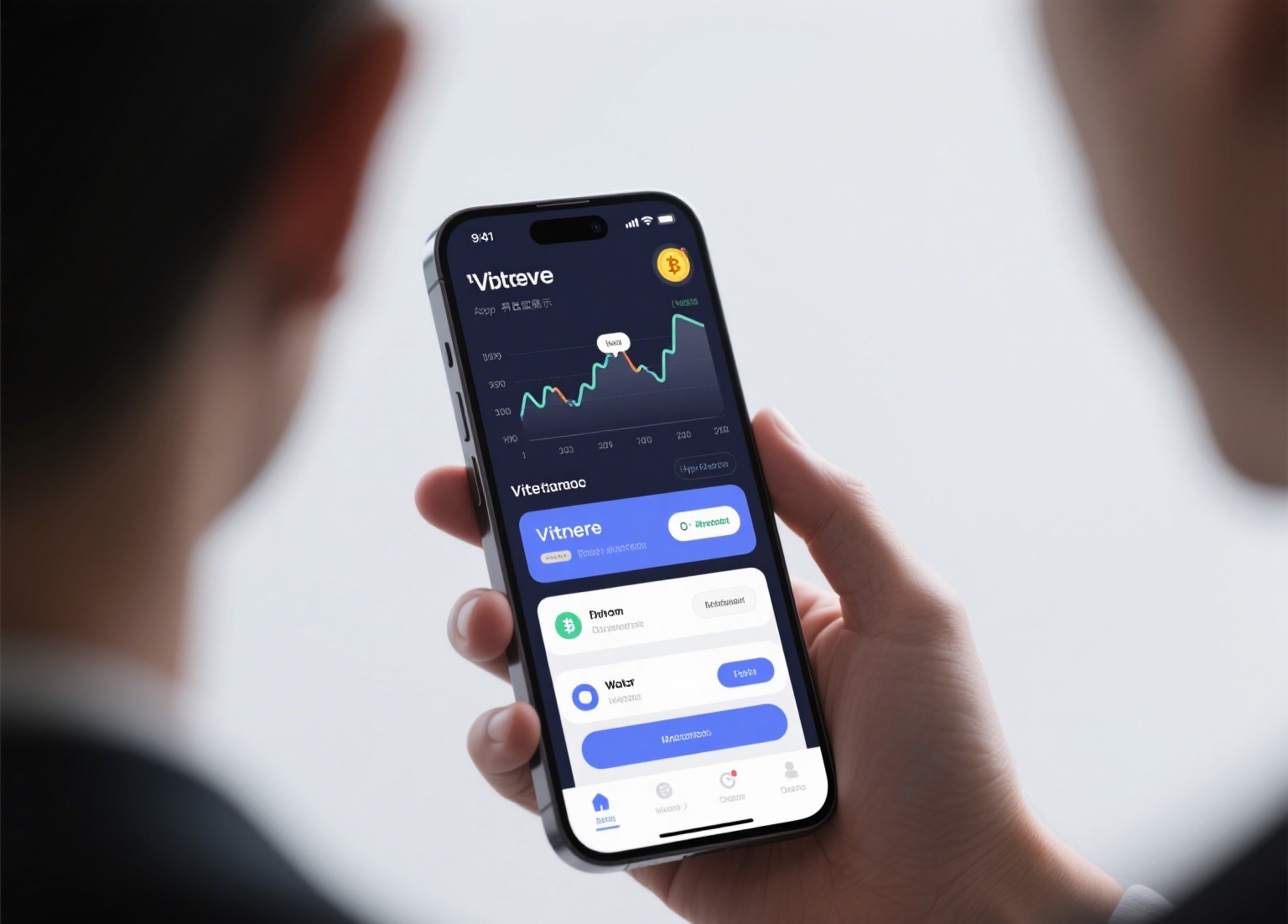
Once you register an account, the user journey is straightforward. Because the threshold is zero, you can skip the process of making a large initial wire transfer. Many platforms accept small deposits via cryptocurrency, e-wallets, or bank cards. After funding your account, you will see a trading dashboard. To trade crude oil, you typically select the "OIL" or "CL" symbol (depending on the platform). You then specify your position size. With zero threshold, you can place a trade worth as little as $10 or $50 worth of crude oil barrels.
Execution of a trade using commission rebates involves careful awareness of the "spread." In most zero-commission brokerage models, the cost is built into the bid-ask spread. When you use a rebate exchange, you pay the spread, but the platform promises to return a percentage of this cost. For example, if the spread on crude oil is 0.05 points, the rebate might be 0.01 points per barrel traded. This means your effective cost is lower. To use this feature, simply enter your trade order (Market, Limit, or Stop). After the trade is closed, you will see a "Rebate" or "Cashback" line item in your account history.
A critical step for success is understanding the risk management tools available. Because crude oil is highly volatile, these exchanges often provide leverage. Even with zero threshold, high leverage can quickly amplify losses. Use the platform's stop-loss and take-profit orders every time. The rebate should be viewed as a cost reducer, not a profit generator. It is a way to offset losses or enhance small gains over many trades.
Finally, the "usage" of the exchange does not end with just opening and closing positions. Monitor your rebate balance. Some platforms require a minimum traded volume before the rebate can be withdrawn, while others allow you to use the rebate directly as margin for new trades. Check the platform's withdrawal policy for the rebate earnings. By combining low entry barriers with consistent cashback on spreads, these platforms allow retail traders to participate in the crude oil market in a way that was previously only available to high-net-worth individuals or institutional firms.
In conclusion, using a zero-threshold commission rebate exchange for crude oil is about three things: selecting a transparent platform, executing trades with an awareness of the spread versus rebate dynamics, and using robust risk management. When done correctly, it democratizes access to one of the world's most actively traded commodities.

发表评论